
Is Sushi Healthy—or Just Good at Pretending?
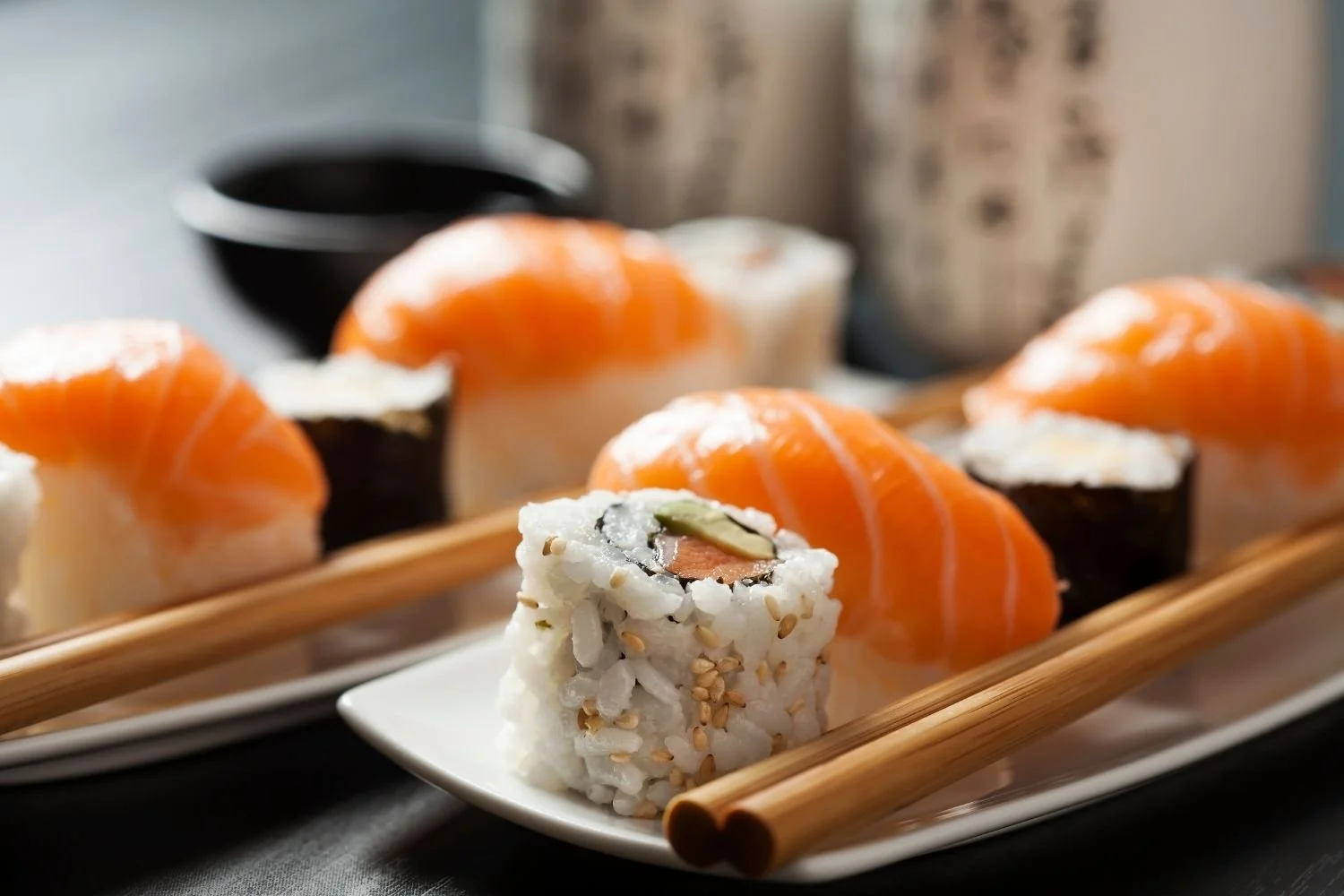
Sushi gets lumped into the "healthy food" category so often that most people stop questioning it. Raw fish, seaweed, small portions, it all sounds clean and nutritious. But if you've ever left a sushi dinner feeling overly full, bloated, or wondering how a few rolls added up so fast, you've already sensed there's more to the story.
So, is sushi healthy?
The answer is: it depends. Sushi can be an excellent source of lean protein and healthy fats, or it can pack as many calories as a pizza without feeling like it. The difference comes down to what you order, how it's prepared, and how much you eat. Understanding these factors helps you make sushi work for your health goals instead of against them.
How Healthy Is Sushi, Really?
Sushi occupies an interesting space in nutrition. At its core, it combines lean protein with carbohydrates in a way that can be light and satisfying. Traditional sushi focuses on high-quality fish, minimal processing, and simple preparations that let ingredients shine. When you order thoughtfully, sushi provides heart-healthy omega-3 fatty acids and essential minerals without the heaviness of fried or cream-based dishes.
However, modern sushi menus have expanded far beyond traditional nigiri and sashimi. Specialty rolls often feature tempura, cream cheese, multiple sauces, and generous amounts of rice. Learn more about the types of sushi you could try at RYU.
These additions transform sushi from a lean meal into something closer to casual dining fare. The problem is that sushi maintains its health halo even when the nutritional profile has shifted dramatically. (Looking at you, dragon roll with extra spicy mayo.)
The real challenge with sushi lies in portion perception. Two people can order from the same menu and have completely different nutritional outcomes based on their choices.
What determines whether sushi is healthy:
Rice volume - Rolls stack it quickly; one specialty roll can equal the rice in 3-4 nigiri pieces
Sauce coverage - That drizzle adds 100-200 calories before you realize it
Fish vs. filler ratio - Is fish leading the plate, or is it mostly rice and tempura?
Total quantity - Six pieces is dinner; fourteen pieces is... also dinner, apparently
Benefits of Sushi You Actually Get
When sushi works, it works well. The benefits of sushi are not abstract wellness claims. They are practical and noticeable.
Lean Protein That Digests Cleanly
Fish provides complete protein without heaviness. Raw and lightly prepared fish is easy on digestion. This is why sashimi-heavy meals rarely leave you feeling weighed down.
Omega 3 Fats That Survive the Preparation
Fatty fish like salmon retain omega-3s because there is no high heat involved. These fats support heart health and inflammation control. This is a real advantage over cooked seafood dishes.
Minerals From Seaweed That Add Up Over Time
Nori contributes iodine, magnesium, and trace minerals. You will not feel this immediately. Over repeated meals, it supports thyroid and metabolic function.
Built-In Portion Awareness
Nigiri and sashimi arrive as individual pieces.
You see what you eat.
You pace yourself naturally.
You stop when satisfied, not stuffed.
This structure quietly supports weight management. It also explains why many people asking is sushi healthy for weight loss do well with fish-forward orders.
A Meal That Adapts to Appetite
Sushi lets you add or stop without pressure. Six pieces can be dinner. Ten can be dinner. You decide in real time.
What Raises Calories and Sodium?
Sushi loses its health edge when extras take over. These are the usual culprits.
Rice volume
Sushi rice is seasoned with sugar and salt. This is essential for flavor. It is also calorie dense.
Rolls stack rice quickly.
One roll can equal several nigiri in rice content.
Diners often underestimate this.
This is where confusion around is sushi healthy usually starts.
Sauces that concentrate everything
Eel sauce, spicy mayo, and creamy drizzles combine:
Sugar
Oil
Sodium
Little nutritional return
A light drizzle changes the plate more than most people realize.
Fried elements
Tempura shrimp and fried roll shells shift sushi into indulgence territory.
Added oil
Refined starch
Lower satiety per calorie
There is nothing wrong with these choices. They simply stop sushi from being a light meal.
Soy sauce habits
Soy sauce is the fastest way to overshoot sodium.
Each dip adds up.
Most people use more than they need.
Learning to control soy is one of the easiest upgrades you can make.
Is Sushi Rice Healthy?
This question deserves a straight answer. Is sushi rice healthy.
Sushi rice is white rice seasoned with sugar and salt. It raises blood sugar faster than whole grains. That does not make it bad. It makes portion important.
Sushi rice works best when:
Protein leads the plate.
Rice stays in supporting portions.
Rolls do not dominate the order.
Is sushi rice healthy for you if you enjoy nigiri or a roll? Yes. Especially when paired with sashimi or vegetables.
Rice becomes an issue only when it turns into the bulk of the meal.
Healthiest Sushi Options at a Glance
When you want to maximize the nutritional benefits of sushi, these options consistently deliver.
Sashimi is the cleanest choice available; pure protein with no rice and minimal sodium when you control soy sauce use. It's filling, nutrient-dense, and allows you to enjoy high-quality fish without additional calories from rice or sauces.
Nigiri offers a balanced bite of fish and rice in a controlled portion. Each piece is substantial enough to be satisfying but structured in a way that promotes natural portion control. Two to four pieces fit comfortably into most meals without overwhelming your carbohydrate intake.
Simple rolls featuring fish, cucumber, and avocado without fried elements or heavy sauces maintain sushi's health benefits while offering variety. These work well when shared or paired with sashimi and nigiri to create a balanced meal.
Vegetable-forward sides like seaweed salad, cucumber-based dishes, and pickled vegetables add volume, fiber, and nutrients without significantly increasing calories. They help round out your meal while keeping it light.
Risks To Know: Parasites, Mercury, and Sodium
Raw fish always raises questions. The risks are manageable when you understand them.
Parasites
Reputable sushi restaurants freeze fish properly to eliminate parasites. This is standard practice. It is part of what defines a safe sushi place.
Mercury
Larger predatory fish contain more mercury.
Lower mercury options include:
Salmon
Shrimp
Scallops
Crab
Rotating fish choices reduces long-term exposure.
Sodium
Sodium remains the most common issue.
Soy sauce is the main source.
Sauces amplify it further.
Keeping sodium in check preserves the benefits of sushi without sacrificing flavor.
Order Smart at RYU Peel or Griffintown
RYU makes healthy ordering easier than most places. The menu already leans toward quality and restraint. You just need a plan.
Lighter Lane
This lane works when you want a clean, protein-forward meal.
Start with sashimi.
Add two nigiri if you want rice.
Ask for soy on the side.
Skip fried add-ons.
This approach supports is sushi healthy for weight loss without feeling restrictive.
Balanced Lane
This lane works for social dinners and longer meals.
Half nigiri.
Half simple roll.
One sauce-based item at most.
Tea or water with the meal.
It keeps balance without turning dinner into a rule set.
Both lanes work at Peel and Griffintown. Sets simplify decisions. Reservations smooth the experience.
Late-Night Without Overdoing It
Late dinners change appetite cues. Hunger feels louder. Portions creep.
After 8:30 pm, keep it light.
Sashimi or nigiri
One simple roll to share
Avoid fried items
This protects digestion and sleep quality. It also keeps sushi in the healthy category late at night.
FAQs
Can sushi fit a weight-loss plan?
Yes. Choose sashimi and nigiri. Limit rolls with heavy rice and sauces. Control soy use. Calories stay predictable.
What fish are lower in mercury?
Salmon, shrimp, scallops, and crab are safer choices. Rotating fish types over time further reduces risk.
How do you keep sodium in check?
Use soy sparingly. Dip the fish side, not the rice. Skip heavy sauces when possible. Drink water or tea.
Savor Sushi Without Guilt
Sushi is neither automatically healthy nor inherently indulgent.
Its nutritional value depends on structure. How much fish. How much rice. How much added fat or sugar. Understanding that balance allows sushi to function as a genuinely supportive meal instead of a misleading one.
The health halo is real. The benefits of sushi are real too. The gap between them closes when you know what to order. RYU’s menu is a great place to start.