
Sushi Box Is The Answer To A Clean and Balanced Meal Craving
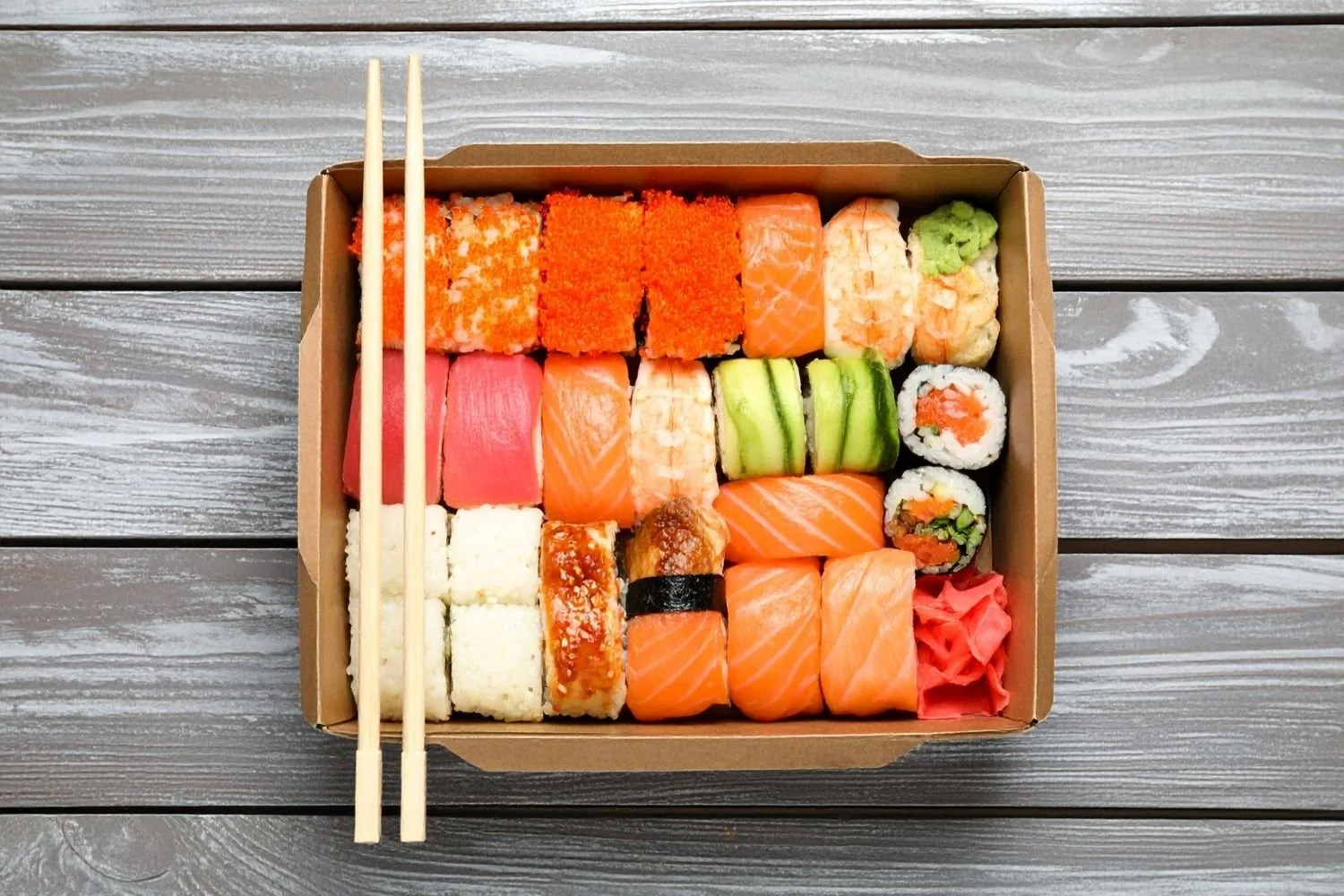
A sushi box solves a surprisingly specific problem.
It delivers quality sushi without the ceremony of a full restaurant meal. You get something balanced when navigating a busy lunch hour, feeding a small team, or wanting a proper meal waiting at home. The format travels well. It portions naturally. It removes the guesswork from ordering, especially helpful when sprawling menus overwhelm even experienced diners.
If that sounds like you, this guide will let you understand what typically arrives inside, how piece counts translate to actual satisfaction, and which configurations work best when preferences vary.
If you've hesitated over a sushi box menu, wondering which choice suits your taste, this should clarify things.
What Is a Sushi Box?
A sushi box is a curated assortment of sushi packed for immediate consumption. The format keeps focus tight on sushi, condiments, and occasionally a simple accompaniment. Bento boxes incorporate side dishes and compartmentalized variety.
A sushi box stays centered on what matters. The packaging prioritizes structural integrity during transport, which matters more than most people realize. Rice stays compressed. Fish stays centered. Nothing shifts during the journey from kitchen to table.
This format works particularly well for solo dining, office lunches, and planned takeout. Everything arrives ready to eat with minimal setup required. For sushi specifically, this directness preserves the relationship between rice temperature, fish texture, and the precise moment you eat it.
This Is What Comes in a Typical Sushi Box Menu
Most sushi box menus follow recognizable patterns. Quality varies considerably. The goal is balance, enough variety to keep things interesting without overwhelming the palate. You'll typically find a combination of nigiri and rolls with condiments portioned separately to maintain freshness.
Standard components include:
Nigiri featuring fish like salmon, tuna, or white fish varieties
Maki rolls with clean cuts and restrained fillings
Pickled ginger for palate cleansing between pieces
Soy sauce in separate containers
Wasabi in controlled portions
Piece counts shift based on the meal occasion. Lunch boxes tend lighter, usually eight to twelve pieces. Dinner options push toward sixteen or more. The underlying principle remains constant. Everything should eat well in sequence without requiring assembly or adjustment.
Bento Box vs Sushi Box vs Platter
These formats address different needs. Understanding the distinctions helps avoid ordering something that doesn't quite fit your situation.
When to Choose a Bento
A sushi bento box creates a complete meal experience through compartmentalization. The structure accommodates sides, soups, or salads alongside the sushi itself. This works well when you want a more deliberate eating experience.
Choose a bento when you want:
A single portion with built-in variety
Small salads or soup alongside sushi
A longer eating window
A structured lunch break
When to Choose a Sushi Box
A sushi box streamlines the experience around sushi itself. The absence of sides isn't a limitation. It's a feature. This format works when you want the fish and rice to carry the entire meal without distraction.
Choose a sushi box when you want:
A focused sushi experience
Easy transport through the city
Minimal setup at the table
Clean eating without extras
When to Choose a Platter
Platters shift the emphasis from individual consumption to shared experience. Presentation becomes part of the value. The layout encourages grazing and conversation.
Choose a platter when you want:
A central table display
Multiple people eating together
Flexible portioning
Visual impact
Sizes and Piece Counts
Sizing matters more than casual diners often expect. Order too small and you're left distracted by hunger. Too large and the delicate flavors blur into fullness before you finish. Getting this right makes the difference between a satisfying meal and a forgettable one.
General guidelines:
A small sushi box suits a light meal for one person
A medium box satisfies a full appetite
A large box comfortably feeds two people
Platters work best for groups of four or more
Most people find twelve to sixteen pieces satisfying. Context matters here. Nigiri registers as more substantial than rolls due to the rice-to-fish ratio. Pay attention to total rice volume beyond just piece count. The rice often determines whether you leave satisfied or still searching for something more.
Raw, Cooked, or Vegetable-Forward Sushi Boxes
Group orders reveal preferences quickly. A well-designed sushi box menu anticipates this without making it obvious. Better restaurants offer clear pathways for different comfort levels with raw fish.
Raw-Focused Boxes
These highlight clean cuts and delicate texture. Expect nigiri or simple rolls where the fish carries the experience. This works best for diners who appreciate the purity that quality raw fish offers.
Cooked or Torched Boxes
These selections lean toward warmth and familiarity. Shrimp, crab, or torched fish provide depth and comfort. They're ideal for guests who prefer gentler flavors or avoid raw preparations entirely.
Vegetable-Forward Boxes
These focus on balance through ingredients like avocado, cucumber, shiitake, and carefully selected seaweed. Done well, they feel intentional rather than like an afterthought. A complete meal that happens not to include fish.
Gluten-Conscious Selections
Many sushi boxes naturally accommodate gluten concerns. Rice and fish are inherently suitable. Attention shifts to sauces, marinades, and specialty toppings where wheat or soy-based ingredients sometimes appear. Worth asking about when ordering.
Sushi Bento Box Ideas That Feel Balanced
Strong sushi bento box ideas start with restraint. The goal is harmony over abundance. Each component should have a reason for being there.
Balanced combinations typically include:
A roll for textural contrast
Nigiri for clean, fish-forward flavor
A light side to pace the meal
Simple condiments for personal control
The best boxes leave you satisfied without heaviness. You should feel complete at the last bite.
Sushi Bento Box Near Me in Montréal? We Got You
In Montréal, particularly around Old Montréal and Griffintown, sushi boxes fit naturally into urban dining energy. These neighborhoods support walkable takeout and straightforward office lunch coordination.
Searches for "sushi bento box near me" peak during weekday lunch hours and early evening. This makes sense given the format's convenience.
RYU operates locations in both areas with different service patterns. The Peel location maintains lunch through evening hours. Griffintown focuses on dinner service. Both offer curated formats designed specifically for transport and immediate consumption. Important considerations when sushi quality depends so heavily on timing.
Pricing and Value
Sushi boxes often deliver better value than à la carte ordering. The kitchen controls portioning and waste. The pre-selection eliminates uncertainty while maintaining quality.
When evaluating price, consider:
Cost per piece rather than total box price
Fish quality relative to piece count
Rice proportion across the entire box
Included condiments and accompaniments
Higher prices usually reflect better sourcing and more precise knife work. The difference shows up in texture, appearance, and how the fish responds when you eat it. Subtle distinctions that matter more than they might seem.
Add-Ons and Sides That Travel Well
Not everything survives transport equally. Temperature changes affect texture. Some items simply don't hold. Smart additions complement the box without creating problems.
Reliable options include:
Miso soup packed separately in insulated containers
Seaweed salad with firm dressing
Extra ginger and wasabi
Simple soy-based sauces
Avoid anything that depends on crunch or specific serving temperature. Focus on what maintains integrity during the journey from kitchen to wherever you're eating.
How to Order Thoughtfully
Start with timing. Decide when you actually plan to eat, then work backward. Choose size based on genuine appetite rather than perceived value. Read the sushi box menu carefully. The differences between options matter more than they might appear at first glance.
For office lunches, prioritize boxes with clear labeling and consistent quality. For evening meals, focus on fish variety and overall balance. For small gatherings or corporate orders, ask about curated sets designed for groups.
RYU offers lunch sets, curated sushi selections, and options for corporate orders through both Peel and Griffintown locations. Online ordering streamlines the process. Both pickup and delivery work well for this format given how the boxes are designed.
Try A Sushi Box, It’ Worth It
A sushi box addresses a specific need in modern dining. It provides structure, balance, and convenience without sacrificing quality. When chosen thoughtfully, the format respects both the food and the context in which you're eating it.
The best sushi boxes feel intentional rather than rushed. They fit cleanly into demanding schedules while maintaining the standards that make sushi worth eating in the first place. That's precisely why the format continues gaining ground.
It meets people where they are without asking them to compromise on what matters.