
Is Sushi High in Calories? Your Honest Guide to Sushi, Nutrition, and Smart Ordering at RYU
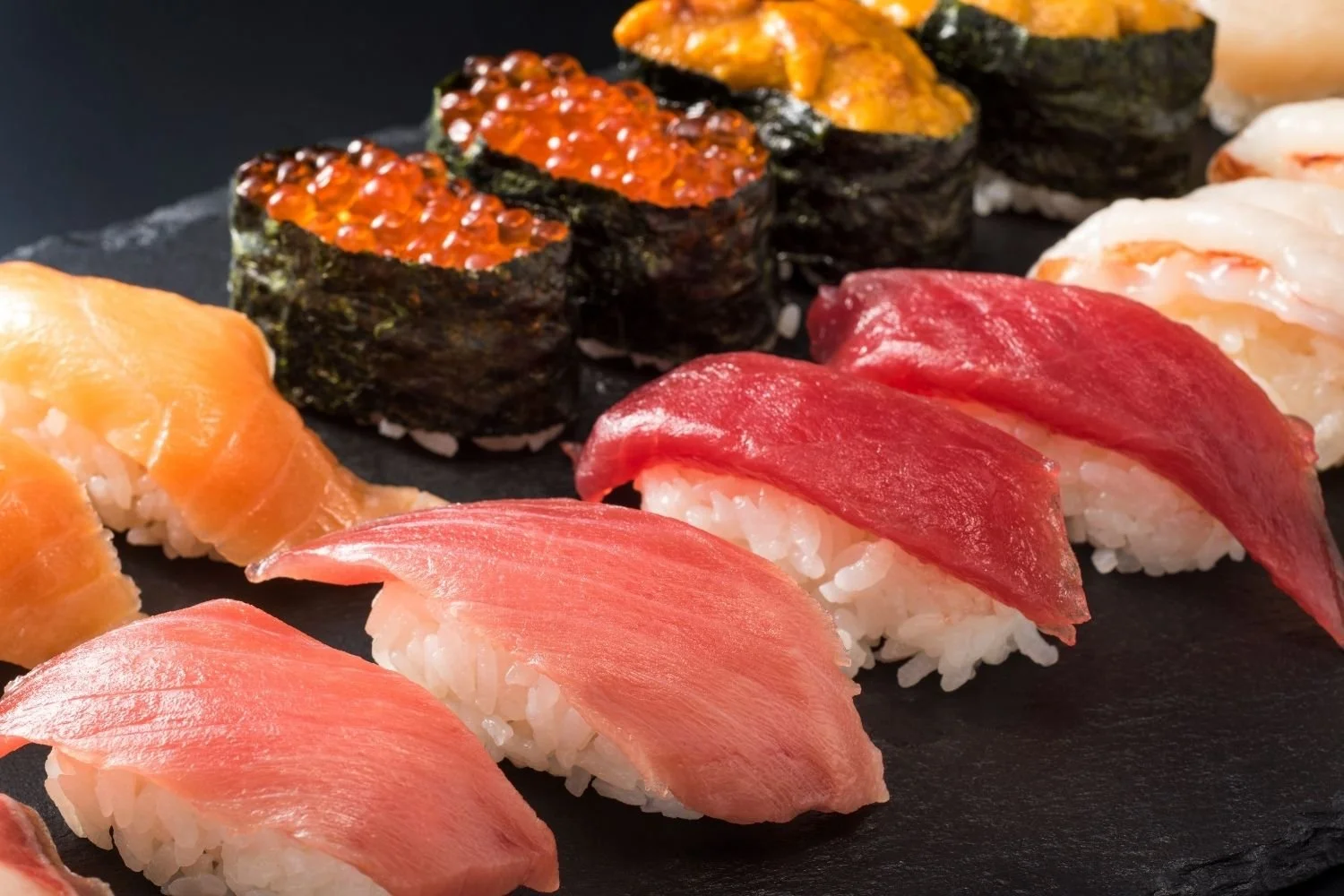
Sushi has a way of seducing people. One minute you are innocently scrolling, the next you are whispering "should I order sashimi or go big with a spicy tuna roll?" It flickers across your screen — glossy, perfectly sliced, casually lounging on a bed of rice — and suddenly your willpower is filing a missing person report.
If a small voice in the back of your mind is asking whether sushi is secretly working against your calorie goals, relax. We are going to talk about it honestly. With the understanding that sometimes pleasure is part of the point — and with enough practical information that you can order with confidence either way.
Can Sushi Be High in Calories?
Short answer: sometimes. But just as often, it is one of the cleanest, most protein-forward meals you can order.
Sushi is like that friend who can pull off sweatpants and a red-carpet moment without breaking a sweat. Some rolls are light, bright, and relatively modest. Others arrive dripping in sauce, packed with crunch, and fully prepared to reframe your "I'll be good tonight" intentions without apology. Both versions are valid. Both deserve love. You just need to know which one you are committing to.
What actually flips sushi calories from modest to substantial is a combination of four things: the rice volume, the fillings, the sauces, and the total quantity ordered. A simple salmon roll is clean and elegant — lean protein, a measured amount of rice, nothing extra competing for attention. Once you introduce tempura batter, creamy sauces, and specialty toppings, the nutritional profile shifts significantly.
That does not make high-calorie sushi bad. Tempura shrimp, spicy mayo, eel sauce — these ingredients add layers of flavour in the most unapologetic way. The point is knowing what you are ordering before you order it, so the choice is yours rather than a surprise at the end of the evening.
What Actually Determines Whether Sushi Is High or Low in Calories
Rice — The Quiet Heartbreaker
Sushi rice is sweet, sticky, and more calorie-dense than plain white rice because of the sugar and vinegar seasoning that defines it. A standard roll contains approximately one cup of rice, landing somewhere between 200 and 300 calories before any filling is added. Thicker, larger rolls carry proportionally more.
This is where most people are surprised by sushi roll calories. The rice is doing more work than it appears to be doing.
Sushi rice raises blood sugar faster than whole grains — but that does not make it a problem in reasonable portions. Rice becomes an issue only when it becomes the bulk of the meal. When protein leads the plate and rice plays a supporting role, the equation stays balanced.
Fillings — Some Are Angels, Some Are Trouble
Raw fish is predominantly lean protein. Salmon, tuna, scallops, yellowtail — these are the straightforward options, high in protein and omega-3 fatty acids, relatively modest in calories. Add tempura shrimp, imitation crab salad, cream cheese, or spicy mayo and you enter genuinely high-calorie sushi territory. Both are legitimate choices. They just produce different nutritional outcomes.
Sauces — The Flirtatious Extras
Eel sauce, spicy mayo, and creamy drizzles combine sugar, oil, and sodium in ways that shift the calorie count more significantly than most people realise. A light drizzle adds between 100 and 200 calories before you have noticed. This is not a reason to avoid sauces entirely — it is a reason to be deliberate about them rather than treating them as invisible.
Quantity — The Most Honest Variable
Six pieces can be dinner. Fourteen pieces is also dinner, apparently. Sushi's built-in portion structure — individual pieces, each one visible and distinct — quietly supports natural portion awareness better than most meals. The challenge is that social eating and the incremental nature of ordering can push quantity higher than appetite actually requires.
The Real Benefits of Sushi When It Works
When sushi works well, it works genuinely well. The benefits are practical and noticeable rather than abstract wellness claims.
Lean protein that digests cleanly. Fish provides complete protein without heaviness. Raw and lightly prepared fish is easy on digestion — this is why sashimi-forward meals rarely leave you feeling weighed down in the way that a heavy cooked meal does.
Omega-3 fatty acids that survive preparation. Fatty fish like salmon retain omega-3s because there is no high heat involved in their preparation at a sushi restaurant. These fats support heart health and inflammation. This is a genuine advantage over cooked seafood dishes where heat degrades the fats.
Minerals from seaweed that accumulate over time. Nori contributes iodine, magnesium, and trace minerals. You will not feel this immediately. Over repeated meals, it supports thyroid and metabolic function in ways that build rather than spike.
Built-in portion awareness. Nigiri and sashimi arrive as individual pieces. You see exactly what you are eating. You pace naturally. You stop when satisfied rather than when the dish is empty. This structure quietly supports weight management in a way that is less effortful than consciously counting.
A meal that adapts to appetite. You can add or stop without pressure. The incremental nature of sushi ordering — a few pieces at a time, deciding as you go — allows the meal to match appetite rather than predetermined plate size.
What Raises the Calorie and Sodium Count
Understanding where the nutrition shifts helps you make better choices without overthinking every piece.
Specialty rolls. Modern sushi menus have expanded far beyond traditional nigiri and sashimi. Specialty rolls often feature tempura, cream cheese, multiple sauces, and generous amounts of rice. These shift sushi from a lean meal into something closer to casual dining in nutritional terms, while maintaining the health perception. The dragon roll with extra spicy mayo is not light dining — and there is nothing wrong with that, as long as you know it.
Fried elements. Tempura shrimp and fried roll exteriors add refined starch and oil. They are the most satisfying things on the menu for many people. They are also where calories concentrate most quickly.
Soy sauce. The fastest and most underestimated way to overshoot sodium. Each dip adds more than it appears to. Dipping the fish side rather than the rice side, and keeping soy on the side so you control the amount, are the two easiest adjustments you can make.
Sauce habits. A little spicy mayo is a treat. A significant amount of spicy mayo applied to every piece is where the calorie count becomes genuinely surprising. Be deliberate rather than passive about sauces.
Low-Calorie Sushi Options That Still Feel Luxurious
If you want sushi that is light but still makes you feel genuinely spoiled, these are your consistent options.
Sashimi is the cleanest choice available — pure protein with no rice and minimal sodium when you control your soy usage. Each piece is pristine, melt-in-your-mouth, and somehow still feels like a luxury indulgence despite being one of the most nutritionally straightforward things on the menu. Minimalism rarely tastes this good. At RYU, the Ora King salmon sashimi and the Hamachi are worth ordering specifically for this reason — the sourcing quality is high enough that the fish speaks entirely for itself.
Nigiri offers a perfectly balanced portion — a small, precisely seasoned amount of rice with a single quality piece of fish. It is modest in calories but rich in satisfaction because the ratio is considered. You get structure, softness, and fresh flavour in one deliberate bite that feels genuinely elegant without being austere.
Simple rolls featuring fish, cucumber, and avocado without fried elements or heavy sauces maintain all of sushi's nutritional advantages while providing variety. These work well when shared alongside sashimi and nigiri to build a balanced, light meal.
Lean protein rolls — tuna, salmon, yellowtail. These rolls derive their flavour from the fish itself rather than from sauces trying to compensate. They are filling without being heavy, high in omega-3s and protein, and they let the quality of the seafood do the work. Quiet luxury, but edible.
Vegetable sides — seaweed salad, cucumber-based dishes, edamame. These add volume, fibre, and nutrients without meaningfully increasing calories. Edamame specifically is one of the better ways to arrive at a restaurant and manage the impulse to over-order before the main dishes arrive.
Sushi Options Worth Knowing, Not Fearing
You do not need to avoid these. You just need to know what they are.
Tempura anything — fried, crispy, and genuinely delicious. Also calorie-dense in a way that shifts the meal from light to indulgent.
Creamy fillings — spicy mayo, crab salad, cream cheese. These bring richness and calories in equal measure. They are the ingredients that make specialty rolls feel satisfying in a way that simple nigiri does not.
Large specialty rolls — packed with rice and layered with toppings. They are indulgent by design. That is the point of them. Knowing this allows you to make the choice rather than have the choice made for you by the menu's presentation.
Three Ordering Approaches at RYU
Because different evenings call for different approaches, here are three practical options that work at both RYU Peel and RYU Griffintown.
The Light and Elevated Order When you want to eat clean but still feel genuinely well-fed:
Sashimi of the day — Ora King salmon or tuna
Two or three nigiri pieces
Cucumber roll or simple vegetable roll
Miso soup
This combination is fresh, protein-forward, and modest in calories without feeling like a compromise. It is also one of the best ways to appreciate what the kitchen is actually doing with its sourcing.
The Balanced Order For evenings where you want to enjoy the full menu without going overboard:
Four to six nigiri pieces
One simple roll shared
Seaweed salad
One piece of something richer — scallop nigiri, a single toro piece, whatever the chef recommends
This keeps balance without turning dinner into a set of rules. You get variety, satisfaction, and the ability to try something interesting without the meal becoming primarily about indulgence.
The Indulgent Order — With Intention For occasions where the point is pleasure:
Toro sashimi
Yellowtail nigiri
One signature maki roll to share
The Toro Experience if available — Akami, Chutoro, and Otoro in sequence
You get richness, depth, and genuine decadence. The key is that this is a deliberate choice rather than an accidental one. Eating the richest things on the menu with full awareness is categorically different from eating them without noticing.
Late-Night Ordering
Late dinners change appetite cues. Hunger feels louder. Portions creep. After 8:30 PM, both RYU Peel and RYU Griffintown offer a late-night menu that is worth approaching with a lighter hand — sashimi or nigiri as the primary choice, one simple roll if you want it, controlled soy usage. This protects digestion and keeps the meal in genuinely healthy territory even at a later hour.
A Few Safety Notes Worth Knowing
On raw fish: reputable restaurants freeze fish properly to eliminate parasites. At RYU, the sourcing standard — including fish from Japan's Toyosu Market — means the supply chain is managed with the kind of attention that makes raw fish safe. This is standard practice at any kitchen operating at this level.
On mercury: larger predatory fish accumulate more mercury over time. Rotating between salmon, yellowtail, scallop, and shrimp alongside tuna reduces long-term exposure without requiring you to avoid any single fish entirely.
On sodium: the most common issue with regular sushi eating is sodium accumulation from soy sauce and sauces. Dipping fish-side rather than rice-side, keeping soy on the side, and drinking water or green tea alongside the meal are the easiest practical adjustments.
The Honest Answer
Sushi is sometimes high in calories and sometimes genuinely light — and often both things in the same meal depending on how you order. The flexibility is power, not a problem. You can eat sashimi and feel clean and light, or lean fully into tempura and specialty rolls and have an indulgent evening. Both are valid. Both are worth doing at different times.
What sushi is not is misleading, once you understand the four variables that drive the calorie count. Rice volume. Fillings. Sauces. Quantity. Control those four things with intention and sushi is consistently one of the more nutritionally sound meals available in this city.
At RYU — at either Peel Street downtown or Griffintown — the menu is built around quality sourcing and restraint. The fish is the point. The rice supports it. The sauces are considered rather than applied by default. That foundation makes smart ordering easier here than at most sushi restaurants in Montréal.
Book your table at RYU Peel — 1474 Peel Street, downtown Montréal
Book your table at RYU Griffintown — 388 Richmond Street, Griffintown