
Nigiri vs Sashimi: A RYU Guide to Ordering Better Sushi
The Difference
There’s a quiet pause before sushi touches the table. The light shifts. Steam fades from the cup of tea beside you. The air smells like citrus and sea. Then comes the choice: nigiri or sashimi.
It’s the kind of decision that feels simple until you try to explain it. Both look delicate. Both feature the same fish. But they’re built differently. One highlights balance. The other, precision.
If you’ve ever hesitated before ordering, this guide will help you understand the difference between nigiri and sashimi and know exactly what fits your taste.
What Is Nigiri? Rice, Cut, and Common Toppings
Nigiri means “to grasp.” It’s sushi made by hand. A small piece of rice is shaped, seasoned, and topped with a thin slice of fish. The motion looks effortless, but every detail matters.
The rice is warm, not cold. It’s seasoned with vinegar and salt, light enough to hold shape without sticking. The chef’s palm decides how soft or tight the texture feels when you bite.
Common nigiri toppings include:
Salmon or tuna for a clean, buttery finish.
Hamachi or scallop for smooth sweetness.
Ebi (shrimp) or tamago (egg) for something cooked or gently sweet.
Uni or ikura for richness and pop.
The goal isn’t variety, but balance. The rice and fish meet halfway. Flavor builds quietly, with no one part shouting louder than the other.
When you taste good nigiri, you feel the care in the grip. The rice softens as it hits your tongue. The fish folds over it and melts. Nothing extra is needed.
What Is Sashimi? Slice Style, Garnishes, and Serving
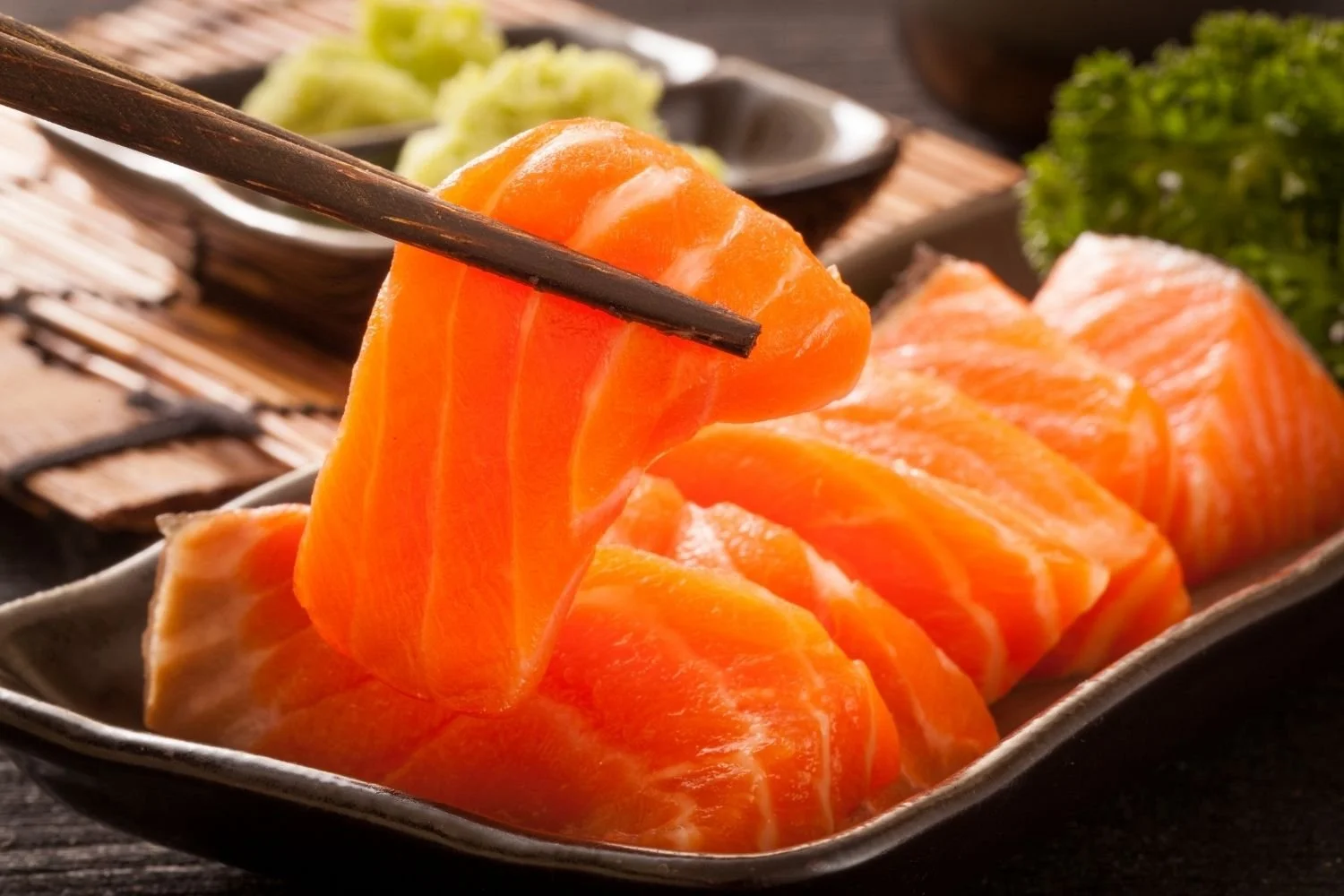
Sashimi is fish without rice. No starch. No filler. Just the cut.
It looks simple, but it’s the most revealing style of all. You taste the temperature, the fat, the salt of the sea itself.
Slices are served chilled on ice or with daikon and wasabi. Sometimes they’re brushed with ponzu, truffle, or citrus. The focus stays on the texture.
Sashimi speaks in small details:
The clean snap of fresh sea bass.
The oil and depth of toro.
The subtle heat of jalapeño against yellowtail.
It’s for people who like the ocean’s flavor unfiltered. Every slice is both minimal and indulgent.
Nigiri vs Sashimi at a Glance: Rice, Texture, Flavor Focus
You can think of it like this.
| Element | Nigiri | Sashimi |
|---|---|---|
| Base | Seasoned rice | None |
| Texture | Soft, layered | Smooth, clean |
| Temperature | Warm rice with cool fish | Fully chilled |
| Flavor focus | Balance of rice and topping | Pure fish |
| Ideal for | Comfort and balance | Clarity and freshness |
The biggest difference between nigiri and sashimi comes down to the base. Nigiri includes rice. Sashimi stands alone.
If you like texture shifts, like soft grain, silky fish, choose nigiri. If you like purity, one clean flavor, uninterrupted, go sashimi.
Both can feel refined. Both can be the highlight of your night.
Sushi vs Sashimi vs Nigiri vs Maki: Quick Chart
Sushi is a category. Nigiri and maki both fall under it, while sashimi stands apart. Here’s a quick way to picture it.
| Type | Includes Rice? | Wrapped in Seaweed? | Example |
|---|---|---|---|
| Nigiri | Yes | No | Tuna over rice |
| Sashimi | No | No | Salmon slices |
| Maki | Yes | Yes | Spicy salmon roll |
| Sushi | Yes | Sometimes | Any rice-based piece |
That’s why “sashimi” isn’t technically sushi. It’s served without rice, though it’s often listed on the same menu.
When to Choose Each
The best choice depends on your mood.
Choose nigiri when:
You want something familiar yet elevated.
You like the texture of rice with fish.
You want warmth and comfort in each bite.
You enjoy balance more than intensity.
You’re exploring flavors and want harmony on the plate
Choose sashimi when:
You prefer lighter plates and a clean flavor.
You want to taste the fish in its pure form.
You’re eating low-carb or keeping it minimal.
You care more about freshness and cut than presentation.
You like food that feels cool, sharp, and precise.
If you’re new, start with salmon or tuna nigiri. They’re forgiving, rich, and easy to love. Once you feel comfortable, move into sashimi sets. That’s where you taste the difference between fish textures: the silk of toro, the firmness of hamachi, the brine of uni.
Portioning Basics: How Many Pieces to Order
Order enough to taste a variety without rushing. Nigiri and sashimi are meant to be savored slowly.
Typical serving sizes:
6 pieces for a light start.
12 for a balanced meal.
18 if you want to explore or share.
If you’re unsure, mixed platters help. They include multiple fish types and balanced textures. You get the full experience without guessing.
Start small. Add more if you’re still curious. Good sushi should end with you wanting one more bite, not feeling full.
Etiquette Essentials: Soy, Wasabi, One-Bite Rule
Sushi has a quiet rhythm. A few simple habits help you match it.
Use your hands or chopsticks. Either is fine. The goal is control, not show.
Dip the fish side, not the rice, into soy. This keeps the balance intact.
Skip mixing wasabi into soy. Place a touch on top instead.
Eat in one bite. Nigiri and sashimi are designed that way.
Savor. Then pause. Good sushi isn’t rushed. The silence between bites is part of the experience.
Health Snapshot: Carbs, Protein, and Omega-3 Notes
Both nigiri and sashimi are high in lean protein and omega-3 fats.
The difference is rice. Nigiri includes it, which adds carbohydrates and a touch of sweetness. Sashimi does not, keeping it lighter.
If you want a satisfying balance after work or before a drink, go with nigiri. If you want something clean, fresh, or low-carb, choose sashimi.
Either way, both deliver high-quality protein and healthy fats. That’s part of why sushi feels light but filling at the same time.
Price and Value Cues: When Nigiri or Sashimi Feels “Worth It”
You’ll notice nigiri and sashimi are often priced similarly by piece. What you pay for is technique and fish quality.
Nigiri costs slightly more for the chef’s handwork. Sashimi leans on the portion and rarity of the fish. Toro, uni, and Toyosu selections sit at the top tier because they’re flown in directly from Japan.
If you’re looking for value, mixed sets are ideal. They let you sample premium fish without committing to a full platter. You get to taste texture differences side by side.
Luxury isn’t about quantity. It’s about detail — how the fish was sliced, how it feels when it meets your palate, how long the flavor lingers after you swallow.
Highlights on the Menu
The menu changes with the market, but some favorites stay close to the heart.
Nigiri sets come in six, twelve, and eighteen pieces. Each piece shaped to order.
Sashimi platters feature the same sizing, with options for curated Toyosu selections.
The Toro Experience includes Akami, Chutoro, and Otoro — three cuts of bluefin that show the full range of texture and fat.
Handrolls bring a casual touch for late evenings, wrapped in crisp nori with soft rice and fresh fillings.
The late-night menu runs from Sunday to Friday. It’s one of the best ways to taste chef-led combinations without committing to a full omakase.
If you want to understand the chef’s rhythm, sit at the counter and order a small set. Watch how each piece moves from hand to plate. It’s a quiet theater.
FAQs
Is sashimi sushi?
No. Sashimi is sliced raw fish served without rice. Sushi includes rice.
Can nigiri be cooked?
Yes. Some pieces use seared fish, shrimp, or egg. The key is temperature balance, not strict rawness.
What fish appear most?
Salmon, tuna, hamachi, scallop, and toro. Seasonal selections rotate depending on Toyosu market availability.
Can you order both together?
Absolutely. Many guests pair a few nigiri pieces with a sashimi plate to balance textures and pace.
Sashimi or Nigiri, There’s No Wrong Answer
The first bite tells you everything you need to know. Don’t overthink it. Pick what feels right. Eat at your own pace. Trust the chef.
Sushi doesn’t need rules to be enjoyed. Pay attention. Make choices that make sense for you.
Book a seat. Let the chef guide your order. Stay long enough for the second cup of tea. That’s when the evening begins to open.