
Sushi and Sake, The Way It Should Be
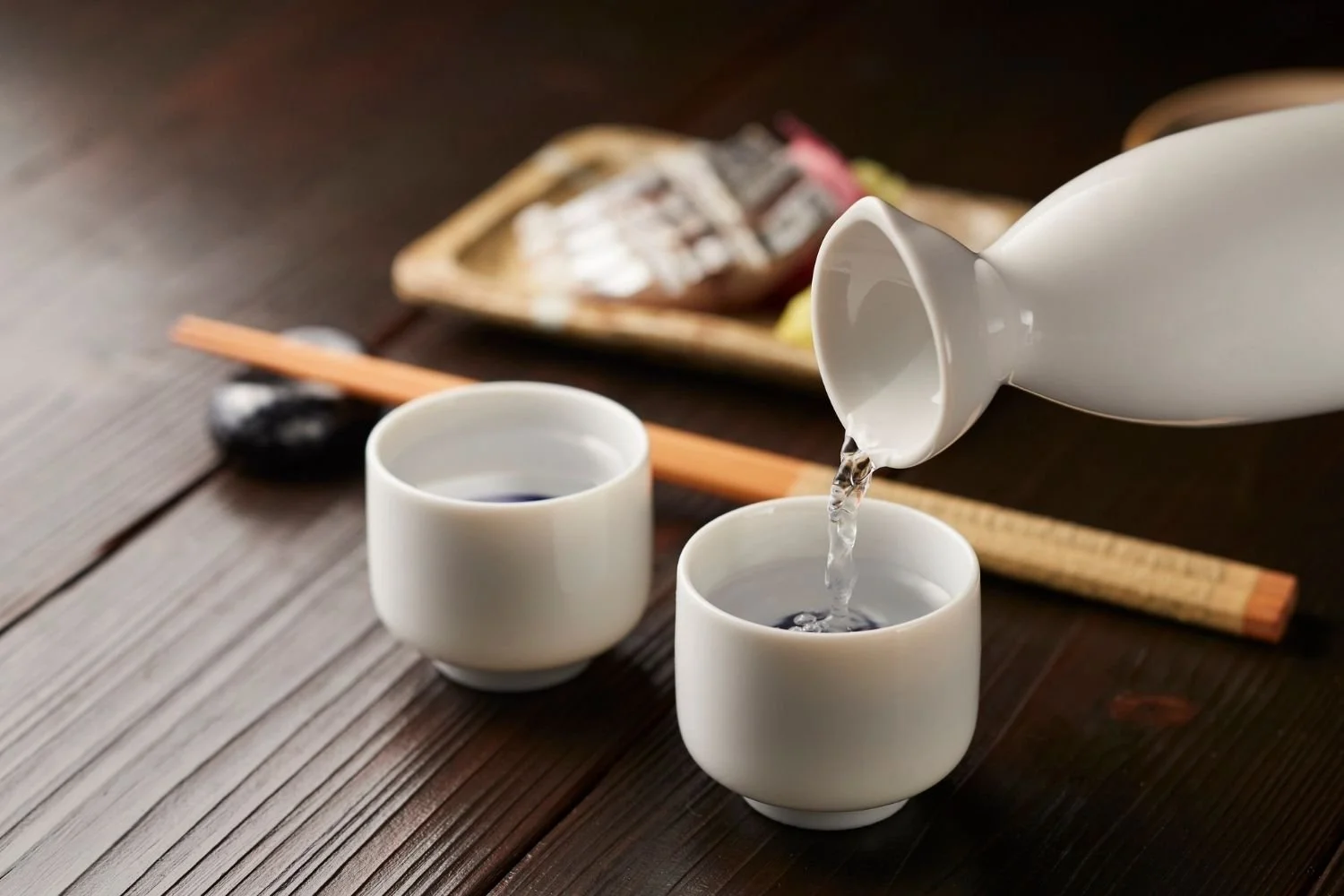
“Sushi and sake” sounds simple until you sit down and realize the menu is doing a lot.
Cold sake. Warm sake. Junmai. Ginjo. Rolls. Nigiri. Sauces. Texture. Fat. Salt. Someone asks if sake is supposed to be chilled. Someone else orders something sweet and now the tuna tastes flat. The night loses its shape.
This is the gap most sushi and sake restaurants leave open.
A modern sushi and sake lounge closes that gap. It gives structure without rules. It makes ordering feel obvious instead of overwhelming. The goal is not to impress the table. The goal is to let the food and sake work together so the night feels easy.
This is how we approach sushi and sake in Montréal. Clean paths. Confident pairings. No wasted moves.
Sushi and Sake, Interpreted for a Modern Lounge
A sushi and sake restaurant today is not just about tradition for tradition’s sake anymore.
No. Today, it is more about clarity.
Sushi stays focused on texture and freshness. Sake supports it without stealing attention. Nothing arrives too early. Nothing lingers too long. The experience is social, relaxed, and deliberate.
In a lounge setting, sushi and sake should feel flexible. You can order lightly and build. You can share without planning. You can stop when it feels right.
That is the standard we work from.
Sake Types, Explained Without the Lecture
A sake list looks intimidating until you understand what it is actually telling you. At its core, it is a question of structure. Body. Aroma. Acidity. How the sake behaves next to food.
Everything else is decoration.
Here is how to read a sushi and sake menu with confidence.
Ginjo-shu
Elegant. Aromatic. Precise.
Ginjo sake is defined by refinement. The rice is polished further, which results in a lighter body and a more expressive nose. You will notice gentle fruit, floral notes, and a clean finish that feels lifted rather than heavy.
This style is best served chilled. Cold temperatures protect its aromatics and keep the texture crisp. Ginjo works beautifully with lighter fish, delicate cuts, and sushi that relies on freshness rather than sauce.
When the sushi is clean and restrained, ginjo lets it stay that way.
On a menu, junmai ginjo versions sit comfortably between richness and finesse. They carry enough structure to stand up to food without overwhelming it. This is often the safest starting point for a table that wants something polished and versatile.
Junmai-shu
Rice-forward. Full-bodied. Intentional.
Junmai means “pure rice.” No added alcohol. What you get instead is depth.
Junmai sake tends to feel broader on the palate, with pronounced acidity and a savory backbone. This is not a background player. It brings presence. That makes it ideal for richer sushi, fatty fish, and dishes with umami.
When sushi leans bold, junmai holds the line.
Junmai ginjo styles refine this structure further. They keep the body but add elegance, making them excellent for guests who want richness without heaviness.
Honjozo-shu
Light-bodied. Dry. Comforting.
Honjozo is often misunderstood. It is lighter in body and typically drier, with a clean, straightforward finish. A small amount of distilled alcohol is added during brewing, which lifts aroma and sharpens texture.
This is a sake that works with food easily.
Honjozo shines when served warm. Heat enhances its softness and makes it particularly friendly with sauced sushi, cooked elements, and anything slightly sweet or salty. It smooths contrasts instead of amplifying them.
If the table is ordering generously and wants something easy to drink without fatigue, honjozo is a smart choice.
Daiginjo-shu
Refined. Complex. Reserved.
Daiginjo sits at the top of the spectrum. The rice is polished extensively, resulting in a sake that is delicate, layered, and quietly expressive.
This is not a sake that wants competition.
Daiginjo performs best when paired with equally restrained sushi. Minimal seasoning. Clean cuts. Nothing loud. Served chilled, it shows its full range. Subtle aromatics. Silky texture. A finish that disappears gracefully.
This is sake for guests who want to taste every detail.
Nigori
Unfiltered. Textural. Expressive.
Nigori sake is intentionally cloudy due to remaining rice solids. The texture is thicker, sometimes creamy, with a softer sweetness.
It pairs best with bold flavors or as a contrast point. Spicy bites. Salty elements. It can also work as a playful finish to the meal rather than a central pairing.
Fruit-Infused Sake
Fruity. Aromatic. Accessible.
Flavored sakes bring brightness and approachability. Pear, peach, lychee, yuzu. These are expressive and immediately understandable.
They work best as an aperitif or alongside lighter, casual bites. Think of them less as traditional pairings and more as mood-setters.
They are optional. Not essential. But enjoyed by the right table, at the right moment.
Temperature Is Not a Detail. It Is the Point.
Temperature changes everything.
Sake is not meant to be locked into one serving style. The same bottle can behave differently depending on how it is served.
Chilled
Highlights freshness and aromatics. Works best with lighter fish, clean cuts, and minimal sauce.
Cool or Room Temperature
Softens the edges. Brings out rice character. Ideal for balanced sushi that sits between lean and rich.
Warm
Boosts umami and rounds out texture. Especially effective with junmai or honjozo styles and sauced bites.
Warming sake around 40–45°C can transform how it interacts with food. It becomes supportive instead of sharp.
Temperature is how you tune the pairing without changing the order.
The SMV Scale, Without the Math
SMV tells you how sweet or dry a sake will feel.
You do not need to memorize numbers. You just need the direction.
| SMV | What It Feels Like |
|---|---|
| Negative (-) | Sweeter, softer |
| Zero | Balanced |
| Positive (+) | Drier, crisper |
Sweeter sakes soften spice and salt. Drier sakes cut through fat.
This is the fastest way to adjust a pairing when you are unsure.
Pairing by Fish, Not by Fear
Pairing works best when you stop overthinking it.
Focus on the fish style.
Light Fish: White fish. Shellfish. Clean rolls. These shine with chilled ginjo or daiginjo. Let the sake lift the delicacy instead of weighing it down.
Fatty Fish: Salmon. Toro. Anything rich. Junmai or junmai ginjo works well here. The body of the sake balances the fat and keeps the bite feeling complete.
Sauced or Cooked Glazes. Seared elements. Anything with sweetness or depth. Warm honjozo or a fuller junmai brings harmony. This is where warmth earns its place.
This approach keeps the sushi and sake lounge menu readable without forcing rules on the table.
Sushi and Sake Sets for Two, Already Solved
Decision fatigue ruins good nights. These sets remove it.
The Balanced Set
A mix of light and medium fish. One chilled ginjo to start. One junmai at cool room temperature to follow.
Clean. Social. Reliable.
The No-Raw Set
Cooked sushi and vegetable rolls paired with warm honjozo.
Comforting without feeling heavy. Perfect for guests easing into sake.
The Pescatarian Set
Vegetable-forward sushi, tofu elements, lighter seafood. Pair with a fragrant ginjo served chilled.
Fresh, bright, and easy to share.
These paths exist so you can enjoy the night instead of managing it.
Why Montréal Comes At RYU for Sushi and Sake
Montréal understands food that carries intention.
The lounges people return to are the ones that feel confident without being loud. The lighting is low. The menu is edited. The wine and saké list is thoughtful without trying to impress.
Locations matter. So does energy.
Griffintown draws guests who care about the saké list and linger longer. Peel attracts bookings, dates, and small groups who want the night to unfold naturally.
Reservations are recommended because these are not rooms designed for turnover. They are designed for staying.
Sushi & Sake Is Just Better At RYU.
Sushi and sake nights fall apart when people hesitate. They work when decisions feel natural.
Temperature shapes flavor. Fish guides the pairing. Structure removes the pressure. Preference always comes first.
A good sushi and sake restaurant understands this without explaining it. The menu reads clearly. The service flows. The room lets you stay as long as you want.
When those elements line up, the night does not need direction.
It already knows where it is going.