
What Is Izakaya? Inside Japan’s Most Social Way to Dine
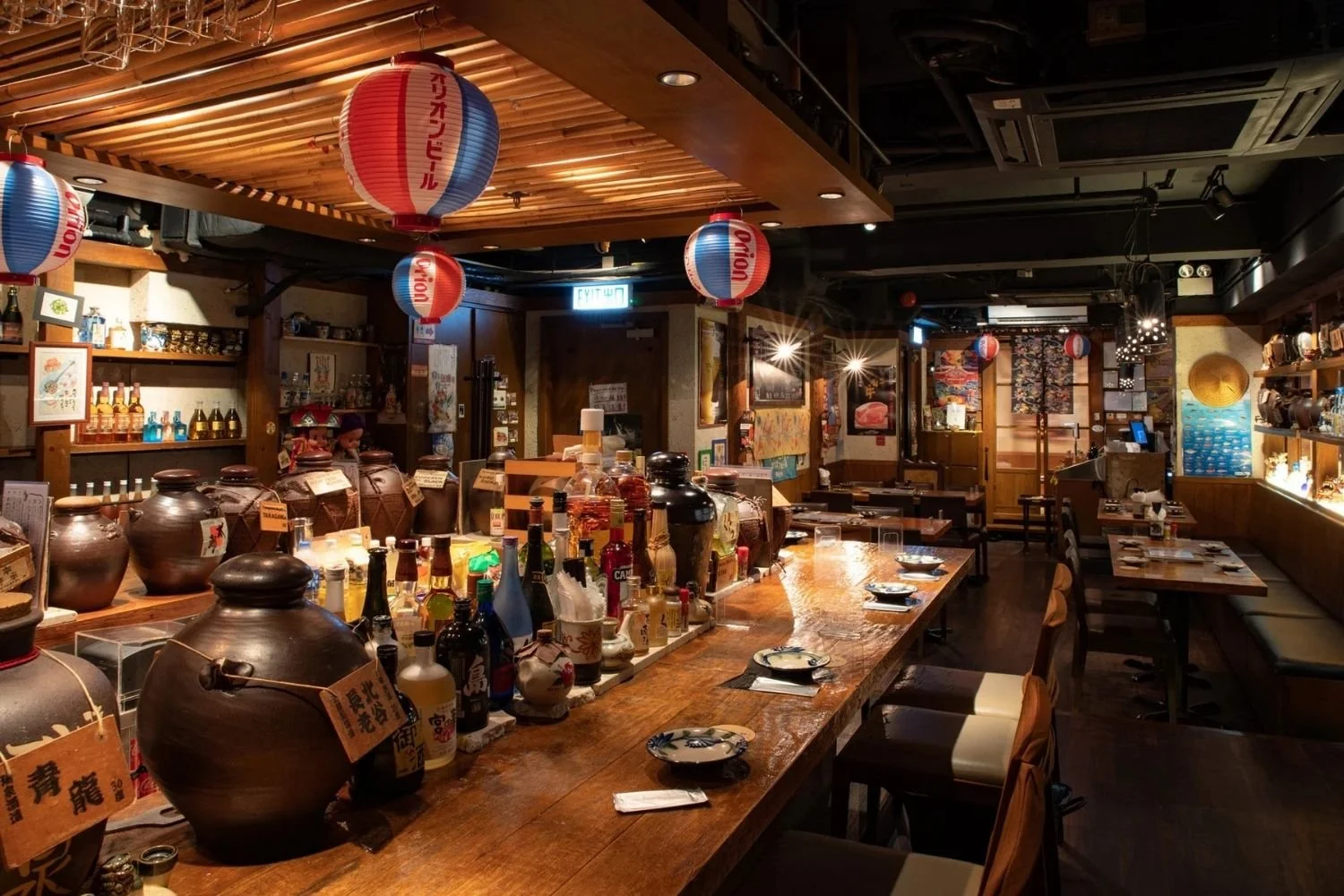
Japanese dining has many registers.
There is the omakase counter where the chef controls everything and silence is part of the experience. There is the ramen shop where you eat fast and leave. And then there is izakaya, which is none of those things. It is louder, longer, and built around the idea that the best meals are not really about the food at all.
Izakaya is Japan's answer to the pub, but that comparison undersells it. The kitchen is serious. The drinks programme, at a good one, is worth paying attention to. And the format, drinks first, small plates shared, no fixed end, creates a kind of evening that a la carte dining rarely produces. You do not order and wait to be fed.
You build the meal in real time, round by round, dish by dish, until the table decides it is done.
What Is an Izakaya Restaurant
An izakaya (pronounced ee-zah-kah-yah) is an informal Japanese bar that serves food alongside drinks. Not a restaurant that also has a bar. A drinking space where the kitchen earns its place.
The format sits somewhere between a Spanish tapas bar and a British gastropub, though neither comparison fully lands. Dishes are small and shared. Drinks drive the pacing. The evening belongs to the table, not the kitchen.
What separates a serious izakaya from a casual one is exactly what separates any Japanese dining experience at the top end: sourcing, execution, and how much thought went into the drink programme.
At RYU in Montreal, that means a private import sake list and a kitchen working to the same standard across both the Peel Street and Griffintown locations. The izakaya spirit, drinks first, food shared, no fixed end time, sits inside something more considered.
How Izakaya Style Dining Works
This is where izakaya loses people who have not done it before. The format is not intuitive if your baseline is Western restaurant dining.
Order Drinks First
Drinks come before the menu. Not alongside it. Before. A cold beer is the standard opener. Sake, shochu, and soft drinks follow. Shortly after your first round, the kitchen sends out a small automatic appetiser called otoshi, covered by a modest seating charge. It arrives whether you ordered it or not. Treat it as a signal that the evening has started.
Share Small Plates With the Table
Nothing is ordered for one person. Dishes come to the centre of the table. Each guest gets a small individual plate called a torizara and helps themselves. The rhythm is:
Two or three dishes ordered alongside each round of drinks
Plates shared as they arrive, not portioned in advance
Reordering as dishes empty, not all at once at the start
This is the tapas logic applied to Japanese food. The portions are small by design. They are built to sustain a long evening, not to fill one person up in thirty minutes.
Order Food Gradually
There is no moment where a server takes your full food order and disappears. You order in rounds, throughout the evening. Food comes out when it is ready, in no fixed sequence. A grilled skewer might arrive before the edamame. That is not a mistake.
The point is forward motion: new dishes arriving alongside fresh drinks, the meal building rather than concluding.
Stay and Socialise
Izakaya tables are not turned. The bill runs as a tab and is settled at the end, usually split evenly. Midnight closing times are standard. Some spots run later. The format is built for evenings without a predetermined end.
What Food You Usually Eat at an Izakaya
The menu is governed by one principle: everything should taste good with a drink. Bold, savoury, built to be grazed across hours.
Grilled Skewers and Yakitori
Yakitori is the defining izakaya dish. Chicken skewers grilled over charcoal, seasoned with salt or tare sauce, eaten hot. Robatayaki follows the same logic: seafood, vegetables, and meat cooked over an open hearth and served immediately. Smoky, direct, made for cold beer.
Fried and Hot Dishes
Karaage: Japanese fried chicken marinated in soy and ginger. Consistently the most ordered dish at any izakaya
Tempura: Light battered seafood and vegetables. Best eaten immediately
Agedashi tofu: Lightly fried tofu in a dashi broth, one of the more quietly accomplished things on a menu that does not always announce its finesse
Oden: A simmered winter pot of tofu, fish cakes, and root vegetables, served when the season calls for it
Sashimi and Small Plates
Sashimi appears on most izakaya menus, though it plays a supporting role rather than the lead. Tuna, salmon, yellowtail. Clean cuts, straightforward preparation. Alongside these: edamame, pickles, cold tofu, hiyayakko. Fast to arrive, easy to share, bought to keep the table occupied while the kitchen works through the heavier orders.
If raw fish is the reason you are going out, if you want the full weight of a chef-driven sequence with intention behind every piece, that is a sushi restaurant. RYU's omakase is the version of that worth considering in Montreal. An izakaya sashimi plate is good. A counter built around fish sourced at that standard is a different experience altogether.
Rice and Noodles at the End
Rice and noodles come last, not first. The logic is cultural: sake is brewed from rice, so traditionally the two do not overlap. A bowl of ochazuke (rice with green tea) or yakisoba noodles at the close of the evening signals the night is winding down. It is not a main course. It is a full stop.
Izakaya vs Sushi Restaurant: What Is the Difference
The overlap in food, particularly sashimi and small plates, leads people to conflate these two formats. They should not.
Dining Style and Atmosphere
| Izakaya | Sushi Restaurant | |
|---|---|---|
| Atmosphere | Loud, social, informal | Calm, focused, precise |
| Pace | Self-directed throughout the evening | Kitchen-controlled |
| Ordering | Ongoing in rounds | Set menu or sequential |
| Role of food | Accompaniment to drinks | The point of the evening |
A sushi restaurant at the level of RYU is a considered experience. The omakase format gives the chef full control over what arrives and when. Each piece of nigiri is placed with intention. The atmosphere is quieter because the food requires attention. Izakaya is the opposite: loud, kinetic, deliberately unserious about formality. Neither is a lesser version of the other. They are built for different occasions.
Menu and Food Style
An izakaya menu is wide by design. Grilled meats, fried dishes, hot pots, noodles, and pickles sit alongside whatever sashimi the kitchen offers. The goal is breadth and endurance, something for every stage of a long evening.
A sushi restaurant, particularly one offering omakase, centres everything on the fish. The rice. The knife work. The sourcing. Precision over breadth.
When to Choose Izakaya vs Sushi
Choose izakaya when:
The occasion is social and the group wants to graze
No one wants to commit to a fixed menu or sequence
The evening has no pre-agreed end time
You want variety across a long night rather than depth on one thing
Choose a sushi restaurant when:
The meal itself is the occasion
You want a chef-led sequence with intention behind every dish
There is something worth celebrating properly
You want to understand what Japanese fish culture looks like at its most serious
What to Expect When Visiting an Izakaya for the First Time
First time at an izakaya restaurant? This is what you can expect.
Casual Atmosphere
No dress code. No silence expected. When you sit down, an oshibori, a warm or cold wet towel to clean your hands, arrives first. The otoshi follows with your first drink. From there, the evening is yours to shape. If the menu is overwhelming, ask for a recommendation. The phrase osusume wa? works anywhere in Japan, and most staff outside Japan will understand the intent.
Late-Night Dining
Izakaya are designed for late evenings. Most open around 5 or 6pm and run until midnight or beyond. RYU Griffintown runs Tuesday through Sunday from 6pm. The kitchen runs until close.
Sharing Food With Friends
Order for the table, not for yourself
Two or three dishes per round, adding more as plates empty
Do not wait for one dish to finish before ordering the next. Overlap is the point
If you are new to Japanese food, this is the most forgiving way to explore it. Small portions mean low stakes on anything unfamiliar
FAQs
Do I need to drink alcohol?
No. Oolong tea, soft drinks, and non-alcoholic options are always available. The format is built around drinks, but non-drinkers are accommodated without issue.
What is the otoshi charge?
A small automatic cover charge that comes with the appetiser the kitchen sends when you arrive. It is added to your bill without you ordering it. The amount is modest. Think of it as a seating fee with food attached.
How does the bill work?
It runs as a tab throughout the evening and is settled at the end, typically split evenly across the table. Tipping is not customary at Japanese restaurants.
Can I go alone?
Yes. Counter seating exists specifically for solo diners. Smaller izakaya in particular are well set up for it.
How is izakaya different from a regular Japanese restaurant?
A ramen shop or a sushi restaurant is built around a specific food type and a defined meal structure. An izakaya is built around a drinking session with food alongside it. The food is varied and secondary to the social occasion, which is the opposite logic to most restaurant dining.