
Sushi Counter vs Table in a Room That Knows Exactly How Good Sushi is Done
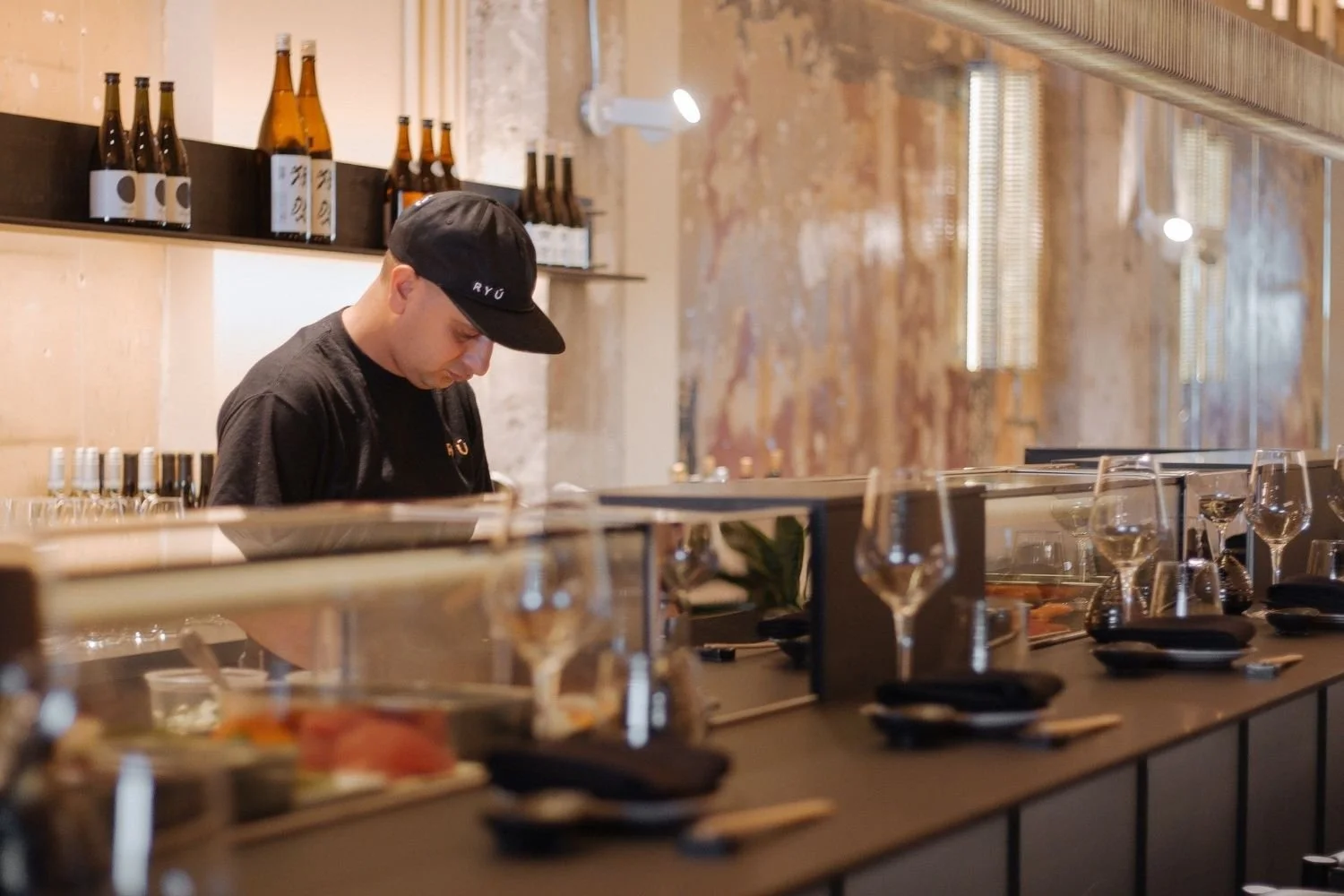
The architectural layout of a high-end sushi restaurant is never accidental.
Every stool and every booth serves a specific culinary function, designed to alter how you perceive flavor and time. Deciding between the sushi counter vs table is the most important choice you make before the first bottle of sake even arrives. It is a choice between two distinct philosophies of dining.
One offers a front-row view of a silent, disciplined craft, while the other provides a curated sanctuary for connection.
Understanding the physics of the room is essential for anyone looking to master the art of the Japanese meal.
What Is the Difference Between Sushi Counter and Table Seating
The primary distinction lies in the flow of the meal.
At a sushi counter, the barrier between the kitchen and the guest disappears. You sit within arm’s reach of the artisan. This creates a linear experience where pieces are often served one by one. The fish moves from the chef’s hand to your plate in seconds. This immediacy preserves the precise temperature of the vinegared rice. It keeps the delicate oils of the fish from oxidizing in the open air.
Table seating offers a more expansive view of the restaurant’s architecture. At our Peel Street location, this means sitting beneath a ceiling of suspended wood slats that mirror the precision of Japanese joinery. The table experience is communal and collective. You receive your dishes in traditional courses or shared platters. It allows for a broader exploration of the menu, including our kale slaw or avocado truffle tacos, without the focused intensity of the counter.
Why Many Sushi Lovers Prefer the Counter
Dedicated enthusiasts often view the counter as the only way to truly experience high-end nigiri. It is a seat of observation. You are not just a consumer of food. You are a witness to a disciplined performance.
Watching the Chef Prepare Sushi
There is a meditative quality to watching a chef work at the sushi counter. At RYU, our team focuses on chef-driven nigiri and sashimi. You see the precise angle of the blade as it slices through sustainable salmon or bluefin tuna. You observe the gentle pressure used to shape the rice. This transparency builds a deep trust between the diner and the kitchen.
The visual preparation acts as an appetizer. It heightens your sensory awareness before the first bite even touches your tongue.
Interaction With the Chef
Choosing sushi counter seating opens a direct line of communication with the creator of your meal. This is not a place for loud, boisterous shouting. It is a space for subtle questions about the origin of the Toyosu selection. You might learn why a specific piece of Hamachi is paired with a certain ponzu.
The chef can gauge your reactions in real-time. They might adjust the amount of wasabi or the size of the rice ball based on your preferences. This level of chef interaction at the sushi counter transforms a standard dinner into a personalized masterclass.
Omakase Is Usually Served at the Counter
The most immersive way to dine at RYU is through our omakase. The word translates to "I leave it to you." This experience is almost exclusively reserved for the counter.
The chef selects the finest seasonal arrivals from the Toyosu market.
Each piece is served at the exact moment it reaches peak flavor.
The progression of flavors is curated to build in intensity.
The chef explains the nuances of rare cuts like Chutoro or Otoro.
An omakase counter experience is about surrender. You trust the chef to guide your palate through a structured narrative. This requires the proximity that only a counter can provide.
When Table Seating Is the Better Choice
While the counter offers intimacy with the food, the table offers intimacy with your companions. The architecture of RYU Griffintown and Peel provides a sophisticated backdrop for those who prefer a traditional dining layout.
Dining With Groups
The geometry of a sushi counter does not favor group conversation. It is difficult to speak with more than one person when seated in a row. For parties of three or more, a table is the superior choice. It allows everyone to face each other. You can share large platters of our eighteen-piece sashimi selection. You can pass around signature maki like the White Dragon or the Salmon Truffle. Tables facilitate the social aspect of dining that is central to many celebrations.
Casual Sushi Dinner
Sometimes the goal of a meal is relaxation rather than education. A table provides a physical buffer. It is the best choice for a casual sushi dinner where you want to lounge and linger over cocktails. You can order at your own pace. You can mix appetizers like miso soup and edamame with complex plates of A5 Wagyu. The table experience is less structured. It puts you in control of the evening’s timeline.
Privacy and Conversation
The sushi counter is a public stage. Your neighbors are close. The chefs are always present. If your evening requires confidential talk or a private moment, the table is your sanctuary.
Tables provide more physical space between parties.
The ambient noise of the room provides a layer of acoustic privacy.
Service is attentive but less constant than at the bar.
It is ideal for discussing business or personal milestones.
Sushi Counter vs Table for Different Occasions
Every visit to RYU serves a different purpose. Matching your seating to your objective is the key to a successful night.
Date Night
A sushi date night seating choice depends on the stage of the relationship. For a first date, the counter is excellent. It provides a natural "third point" of focus. If the conversation lulls, you can watch the chefs. It creates an effortless shared interest. For a romantic anniversary, a table might be preferred. It allows for more eye contact and a sense of being in your own world.
Solo Dining
The sushi counter for solo dining is a standard in Japanese culture. It is the most comfortable place for a single guest. You are not "taking up a table." You are part of the energy of the kitchen. Many solo diners find the counter to be a sophisticated way to enjoy a high-quality meal without the need for a companion. You can focus entirely on the texture of the Ora King salmon or the warmth of the sake.
Omakase Experience
If your primary goal is the food, choose the omakase seating. This is the premium tier of our offering. It is designed for those who want to explore the Toro Experience or the Toyosu Selection in its purest form. At the counter, the omakase becomes a dialogue between your palate and the chef’s vision.
Group Dinner
For corporate meetings or staff events, RYU offers private dining options. A long table in a curated space is the only way to manage a large group. We work closely with clients to create a gastronomic experience that fits a professional or celebratory setting. You can enjoy a personalized menu in an environment that encourages networking and connection.
Where to Sit at a Sushi Restaurant for the Best Experience
The "best" seat is subjective to your mood. If you are a purist seeking the highest level of culinary precision, the counter is your destination. It is the seat of the connoisseur. If you are a social diner seeking the "vibe" and atmosphere of Montreal’s downtown or Griffintown, the table is your home.
Consider the following when booking your next visit:
Time: Counter meals often move faster as the chef serves you directly.
Focus: Tables allow you to focus on your partner. Counters allow you to focus on the fish.
Menu: Specialty handrolls and nigiri shine at the counter. Large maki and hot plates are perfect for the table.
FAQs About Sushi Counter vs Table Seating
Is the menu different at the counter?
At RYU, the full menu is available at both the table and the counter. However, certain specialized experiences like a full-service omakase are better suited for counter seating.
Do I need a reservation for the sushi counter?
We highly recommend reservations for all seating types. Our Peel and Griffintown locations are popular destinations in Montreal. You can book a table or a counter spot in seconds through our website.
Is there a price difference?
The price of the food remains consistent. An omakase experience or a "Toro Experience" platter will have a set price regardless of where you sit. The value of the counter lies in the added interaction and the speed of service.
Which seating is better for kids?
Table seating is generally more comfortable for families. It provides more room for movement and allows for a variety of dishes to be placed in the center of the group.
Securing Your Ideal Experience
The choice between the sushi counter vs table ultimately rests on the specific energy you wish to cultivate for the night.
A seat at the bar is a tribute to the ingredients and the hands that shape them. It is the destination for those who value the temperature of the rice and the immediate transition of the fish.
A table is a tribute to the company you keep. It is the preferred sanctuary for deep conversation and the communal enjoyment of a varied menu. Both options offer a window into the disciplined world of Japanese gastronomy through different lenses.
RYU’s spaces in Old Montréal and Griffintown are built to honor both of these dining styles with equal sophistication. We invite you to step into an environment where modern design meets traditional craft. Explore our curated selection of nigiri, signature maki, and rare Toyosu finds from the seat that suits your mood.